Trân
Treasuring Quiet Moments in Everyday Eating
Inspiration
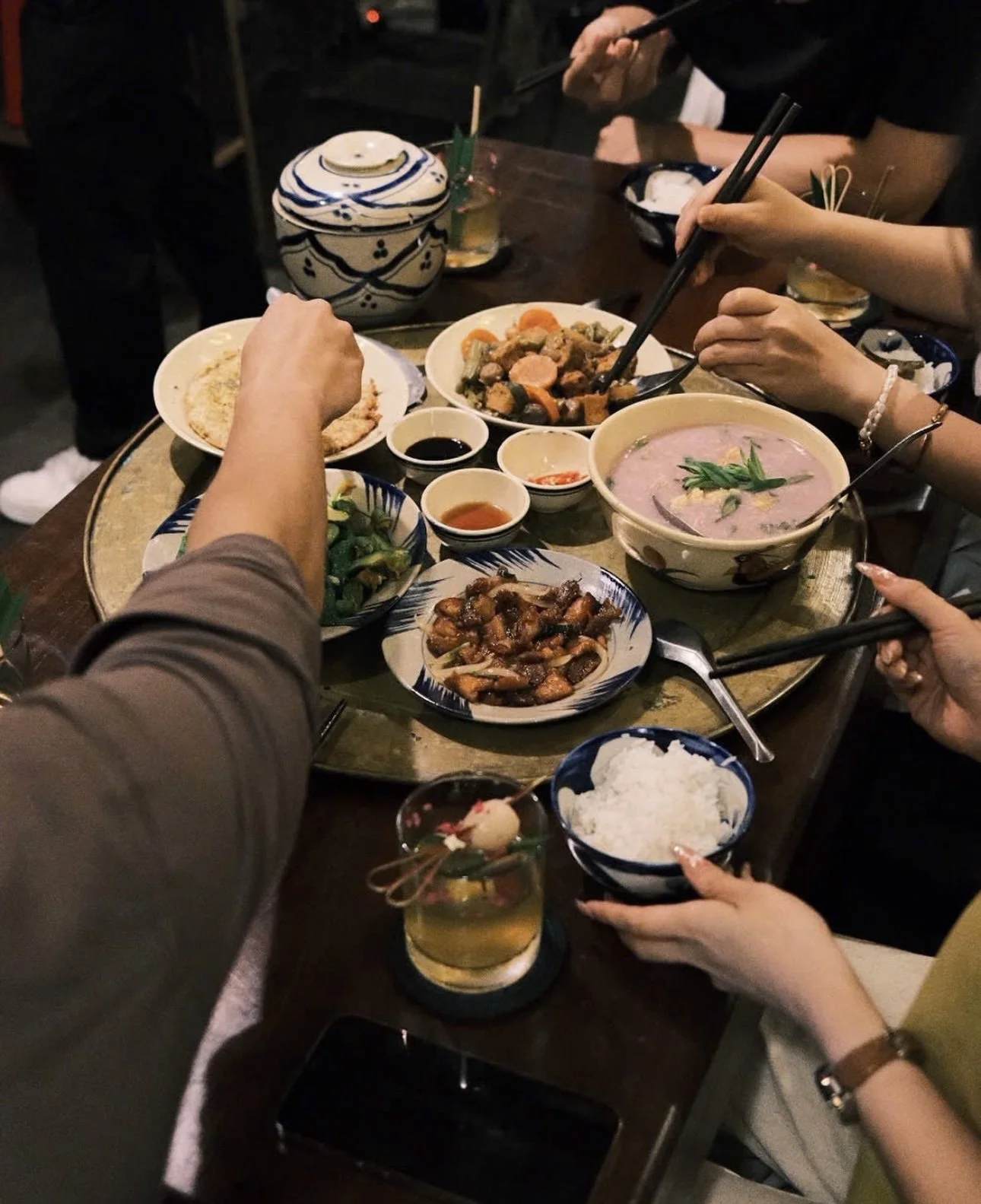
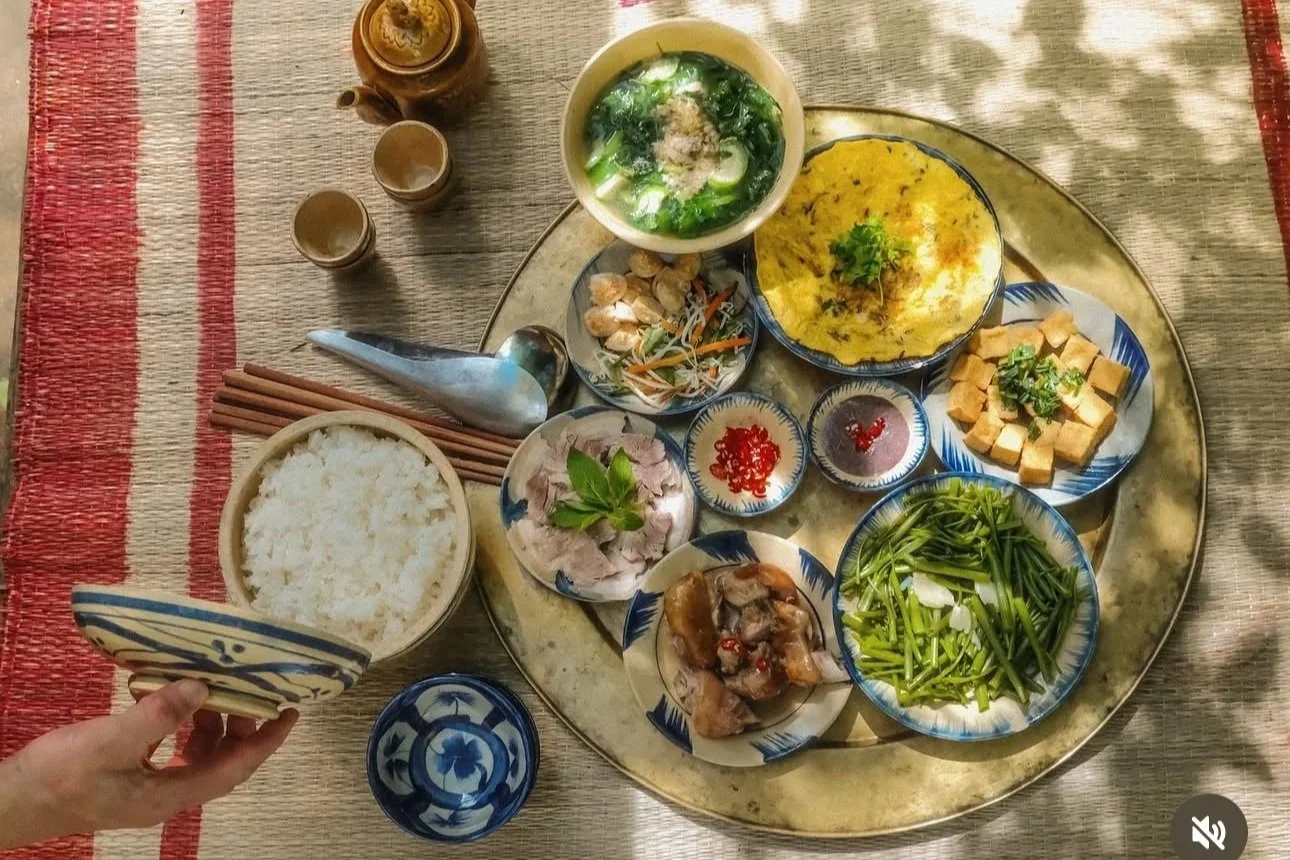
This project draws inspiration from Vietnamese dining culture, in which eating is a tactile and embodied experience. Food is held, shared, and brought close to create a sense of connection. These moments informed a design approach centered on interaction and the relationship between hand, object, and food.
From Memory to Form
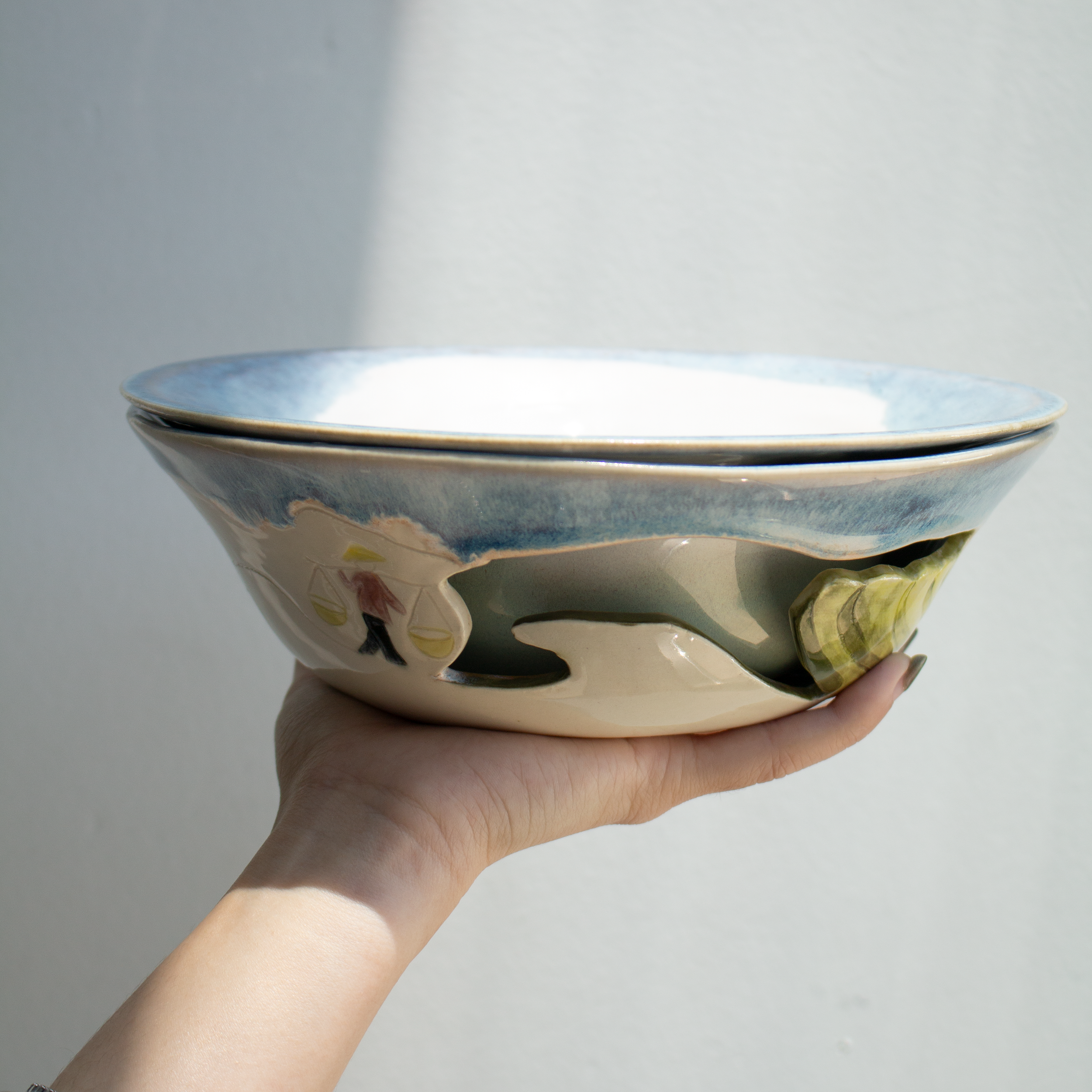
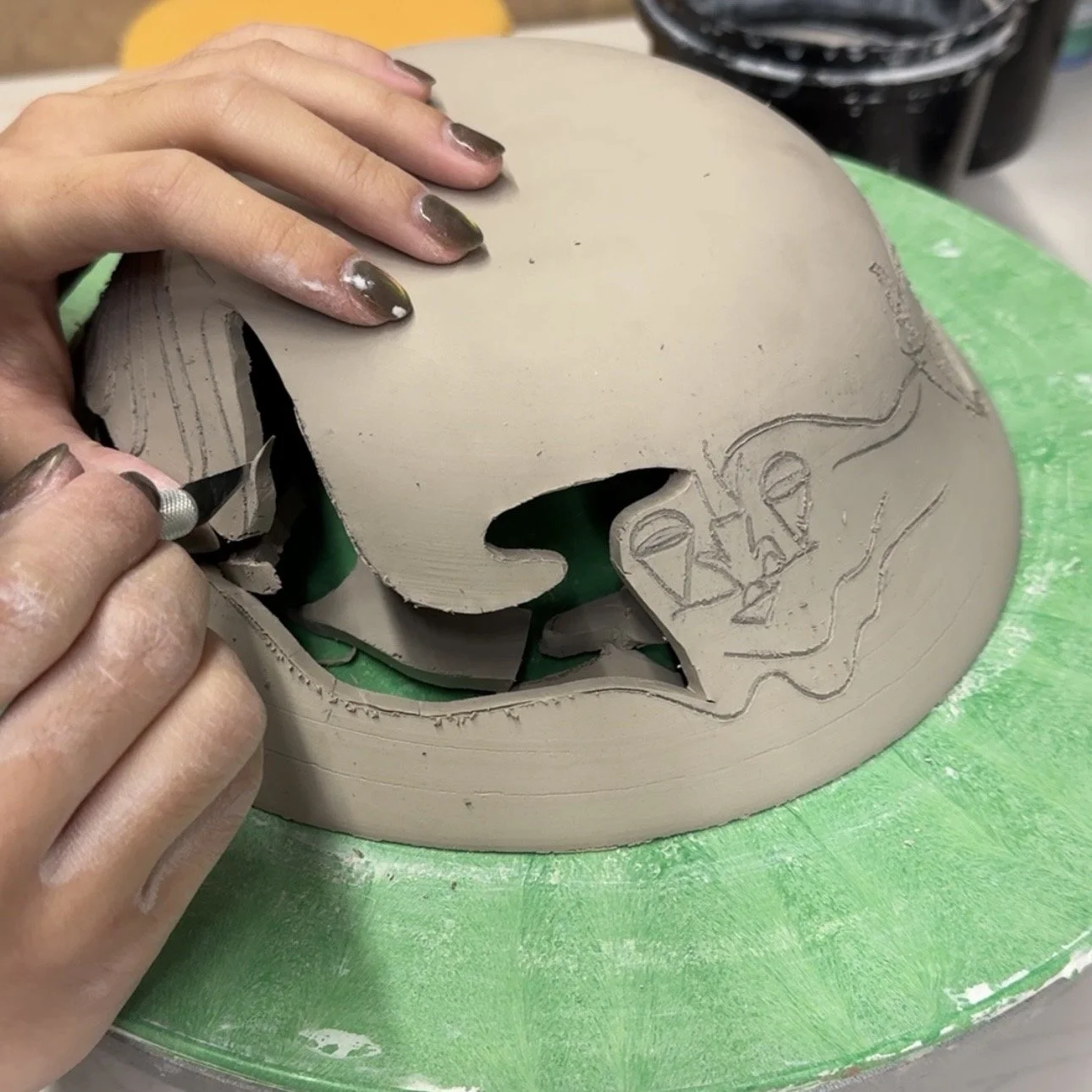
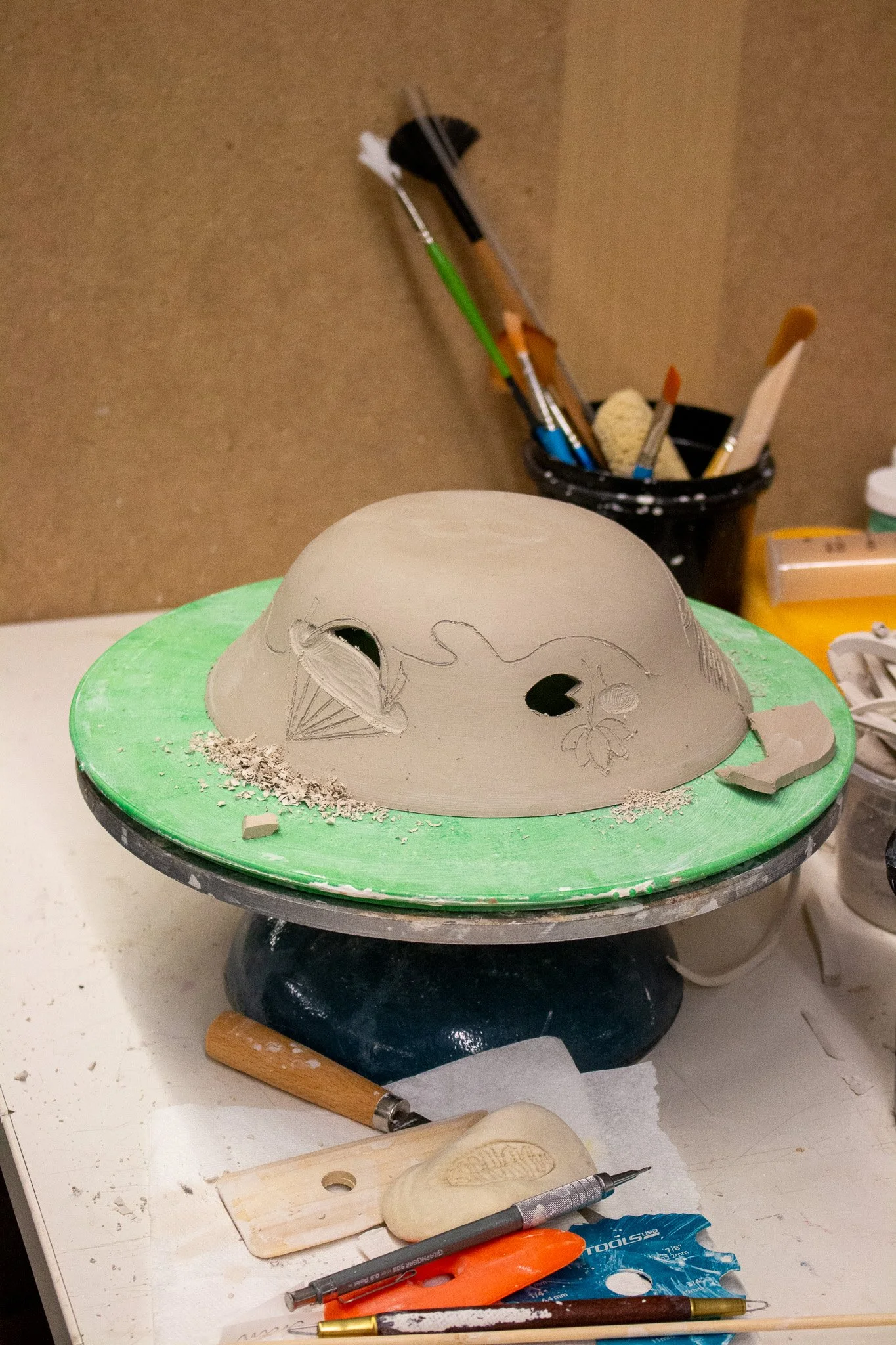
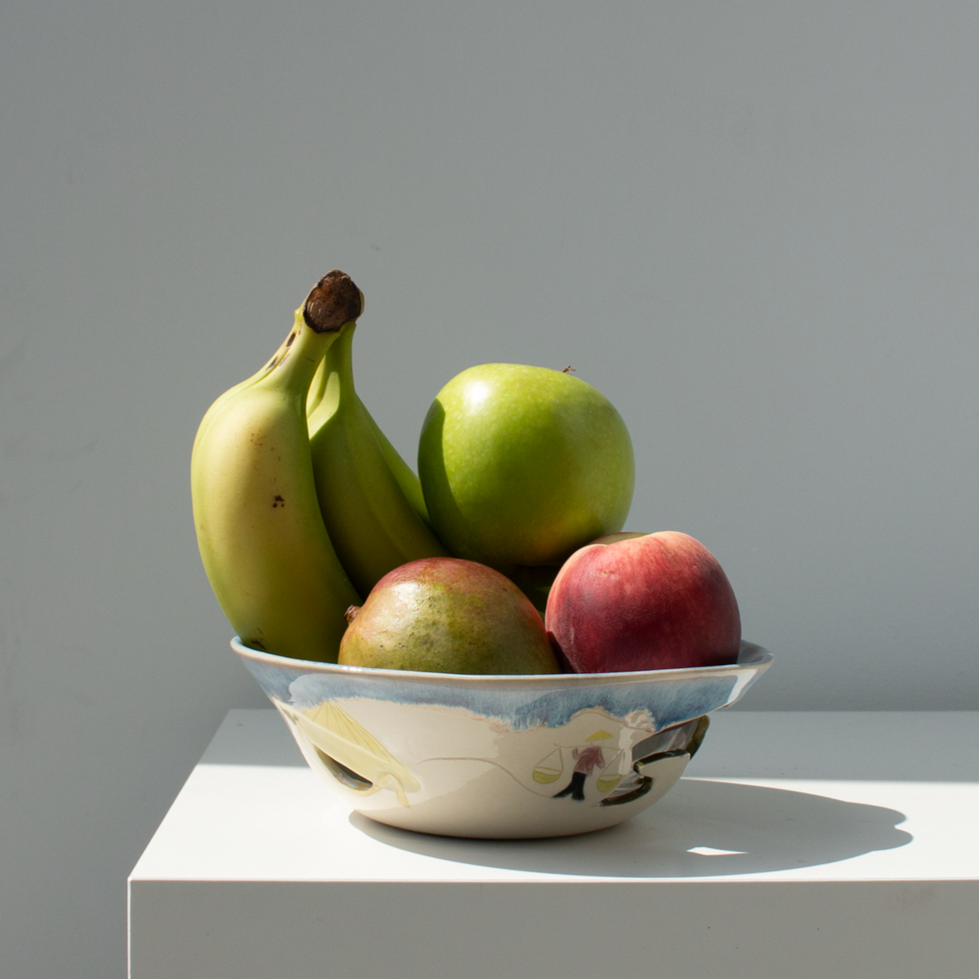
These cut-out details are inspired by familiar images from Vietnamese life, evoking a sense of home and reconnecting me with the people, landscapes, values, and everyday traditions that shaped my understanding of Vietnam.
Layered rice terraces
Lotus flower
Conical hat (Nón lá)
Carrying Rice with Shoulder Pole
The Collection
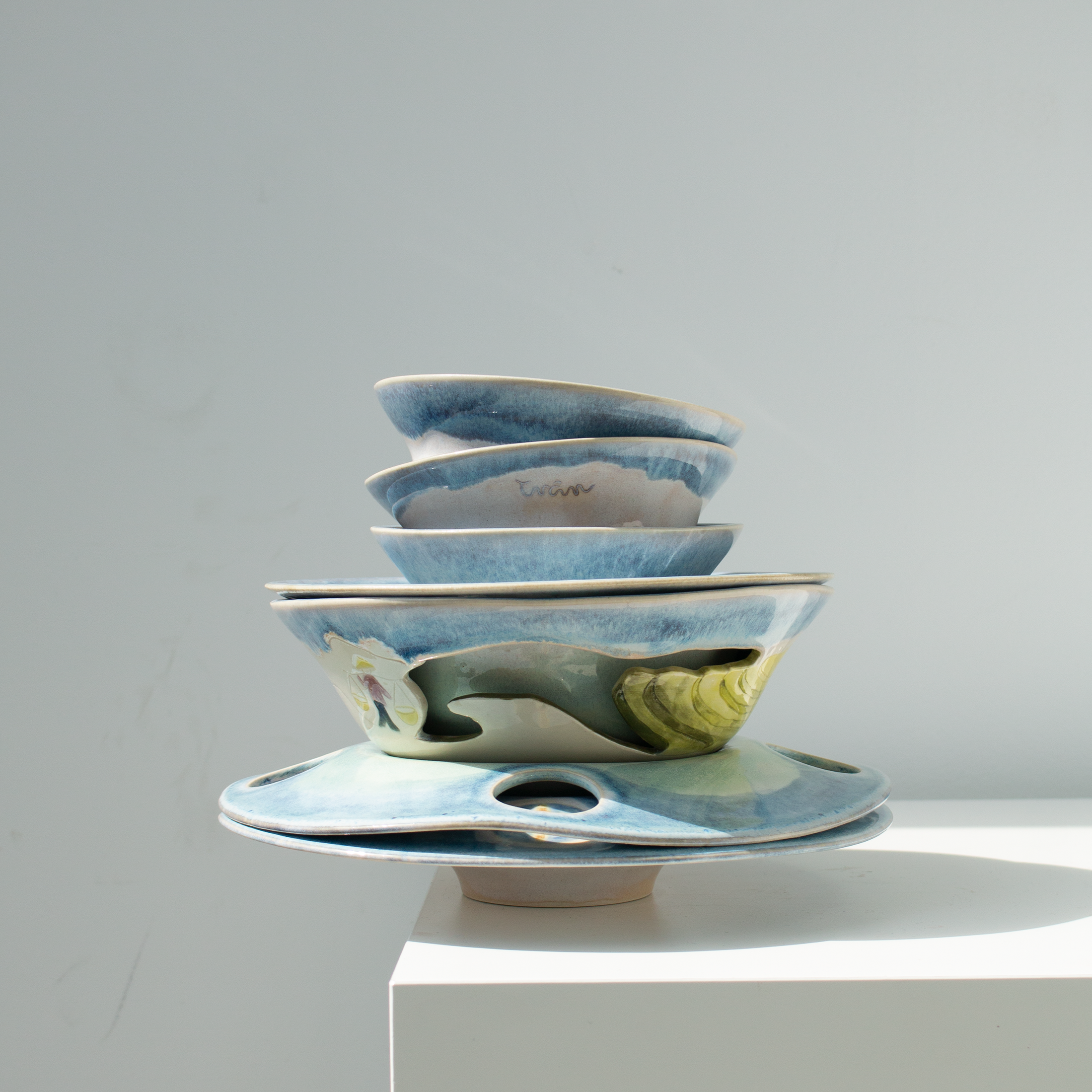
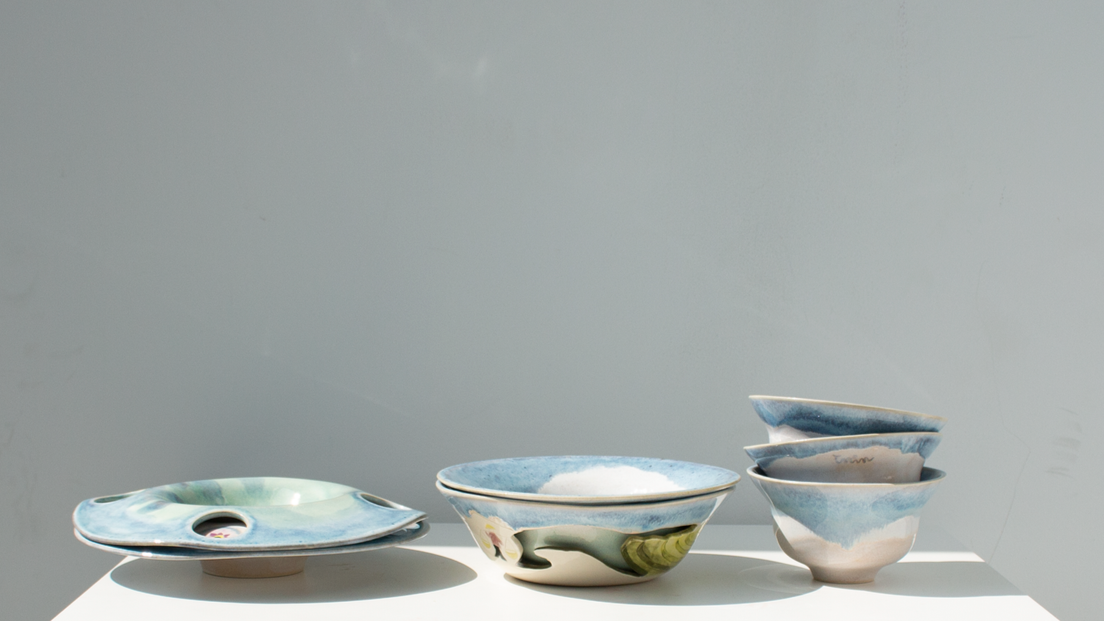
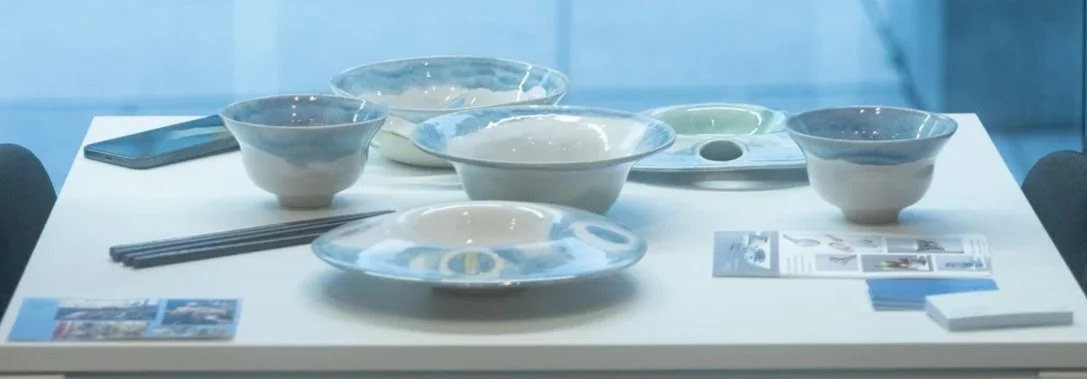
The final collection combines cultural inspiration, material exploration, and ceramic craftsmanship into a cohesive dining experience. It centers on tactile cut-out details, versatile forms, and sharing, which together create a more engaging dining experience.
Overview
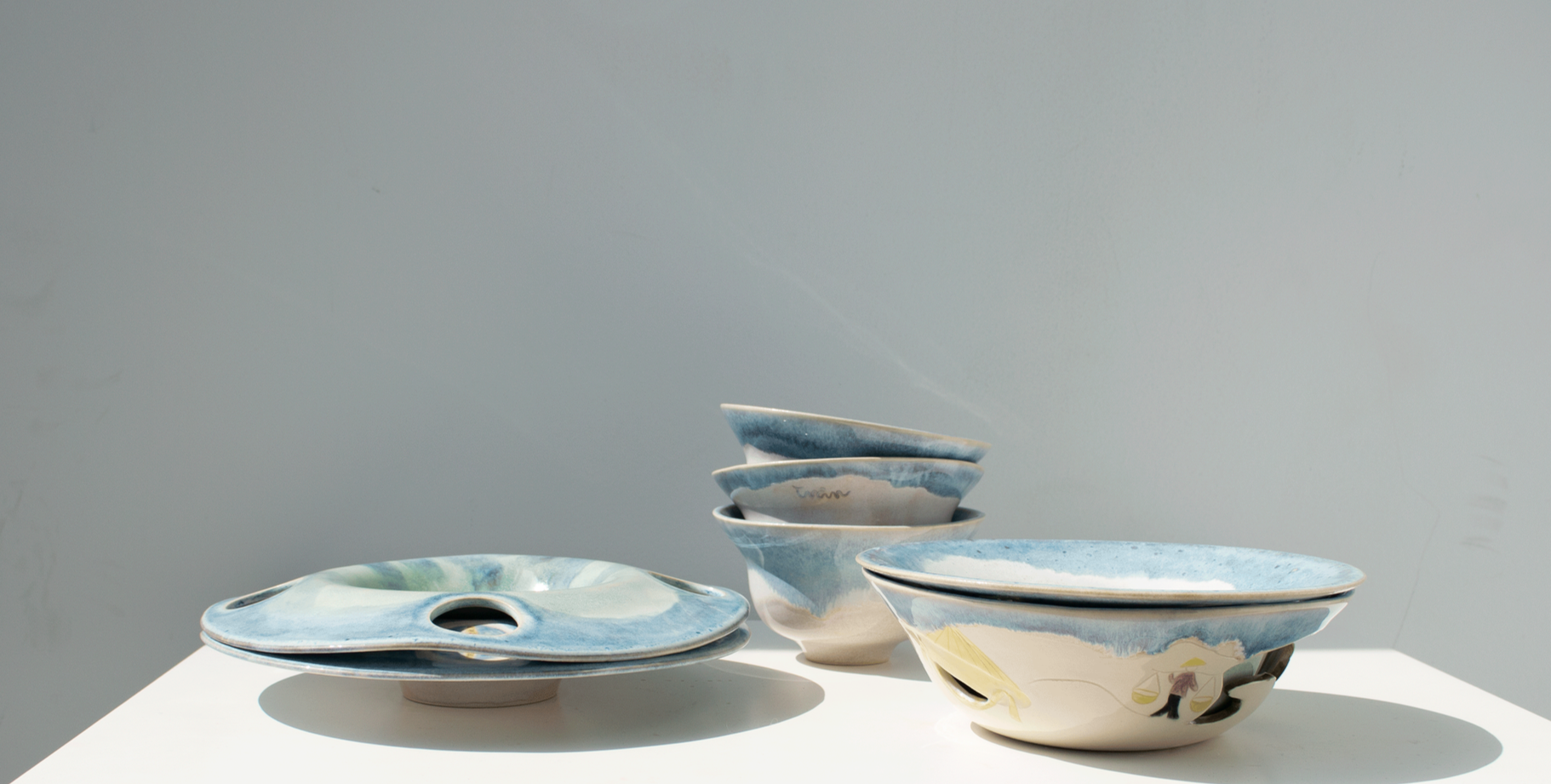
Trân is a ceramic dinnerware collection shaped by Vietnamese dining traditions and communal eating.
Designed for versatility, each piece enables various ways to serve, share, and interact at the table. With soft forms, carved surfaces, and tactile details, the collection fosters meaningful connections among people, objects, and everyday food rituals.

How might me…
How might we design dinnerware that fits modern lifestyles by supporting communal dining, tactile comfort, and meaningful everyday interactions?
Design for Versatility
Behavioral Influence
Embodied Interaction
Intuitive Use
Development
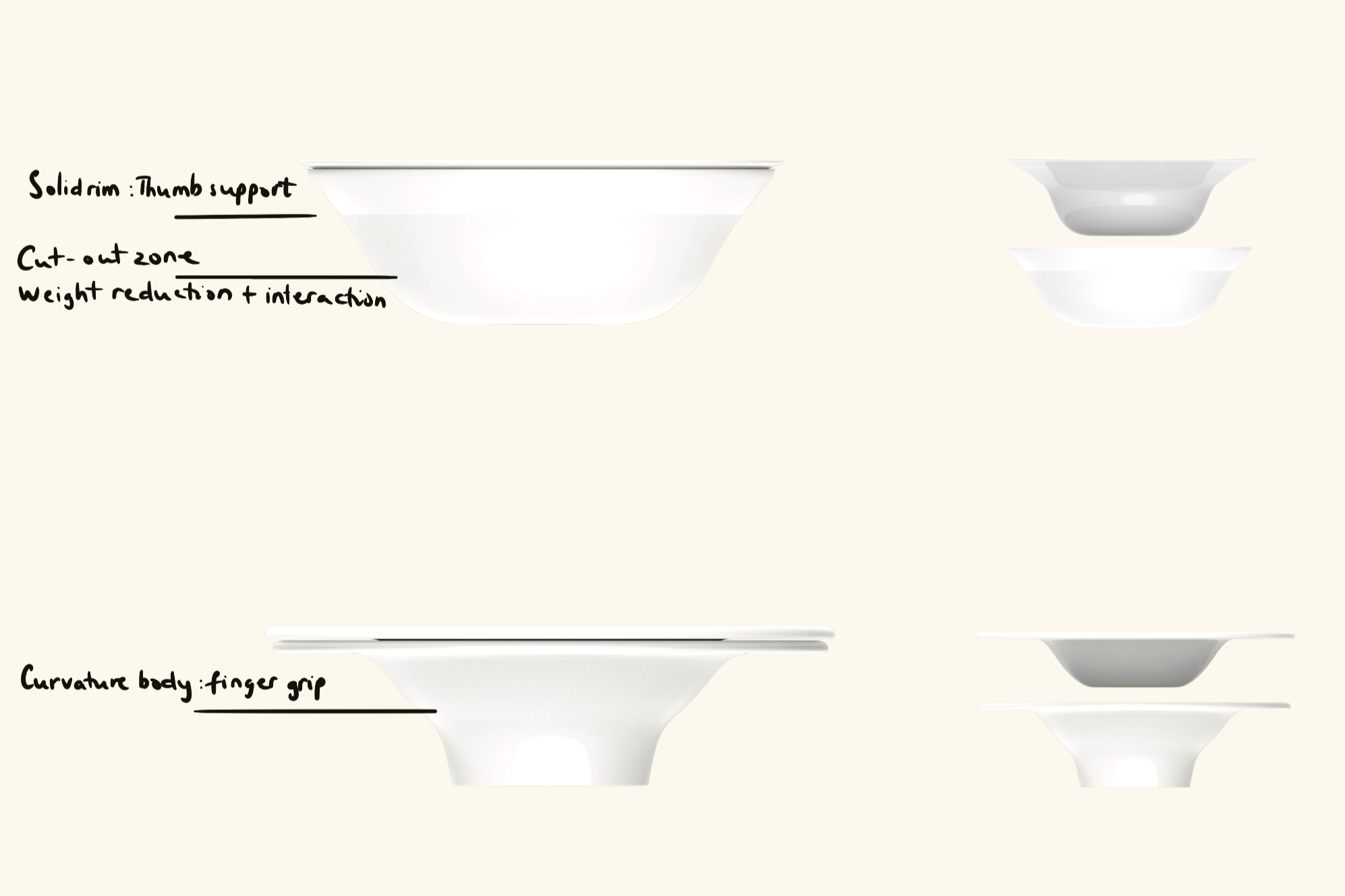
Through iterative prototyping, the design shifted to enhance hand interaction by introducing cutouts, curvature, and dual-function components that balance ergonomics and structure.

Process
3D Modeling
3D Printing
Mold Making
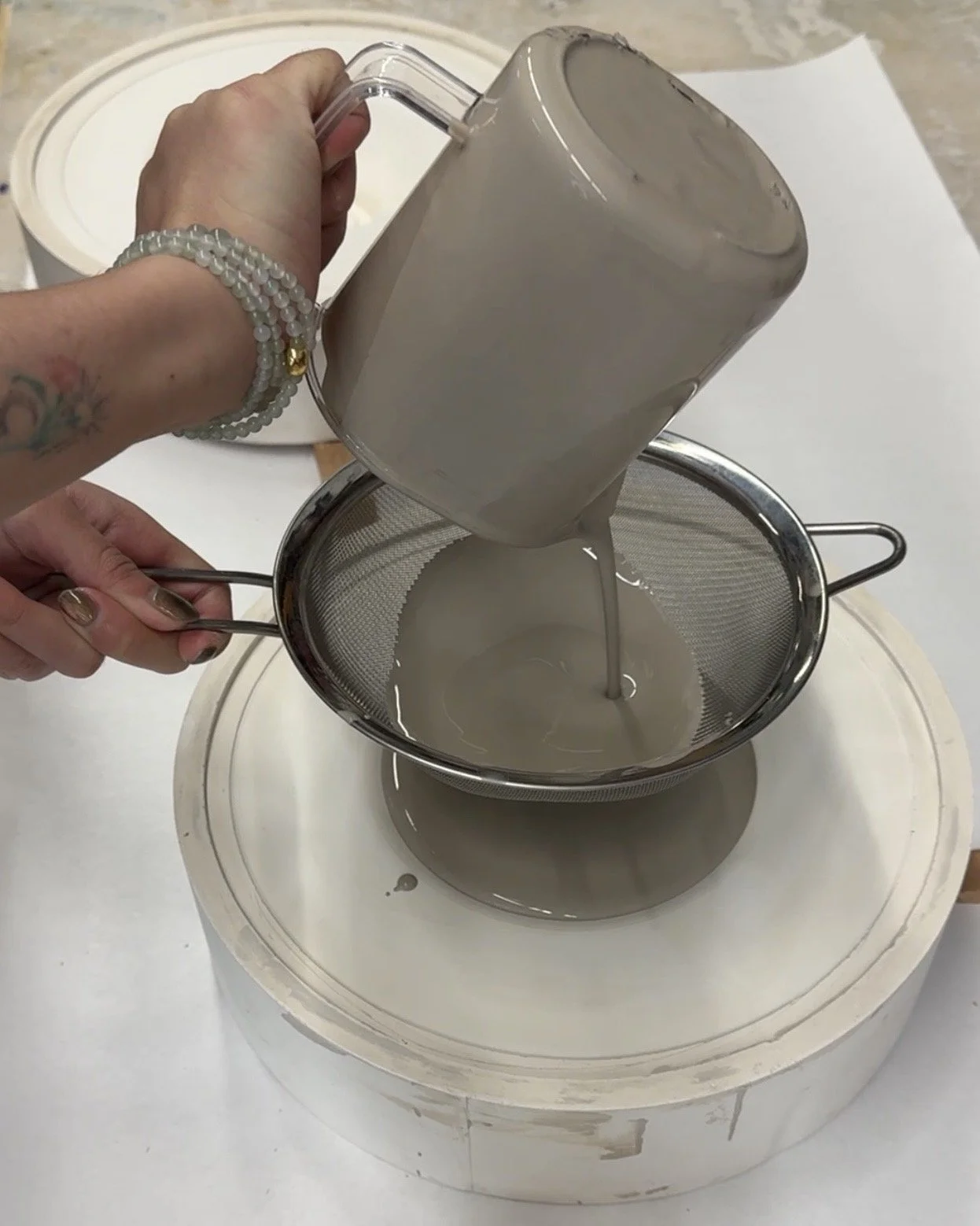
Slip Casting
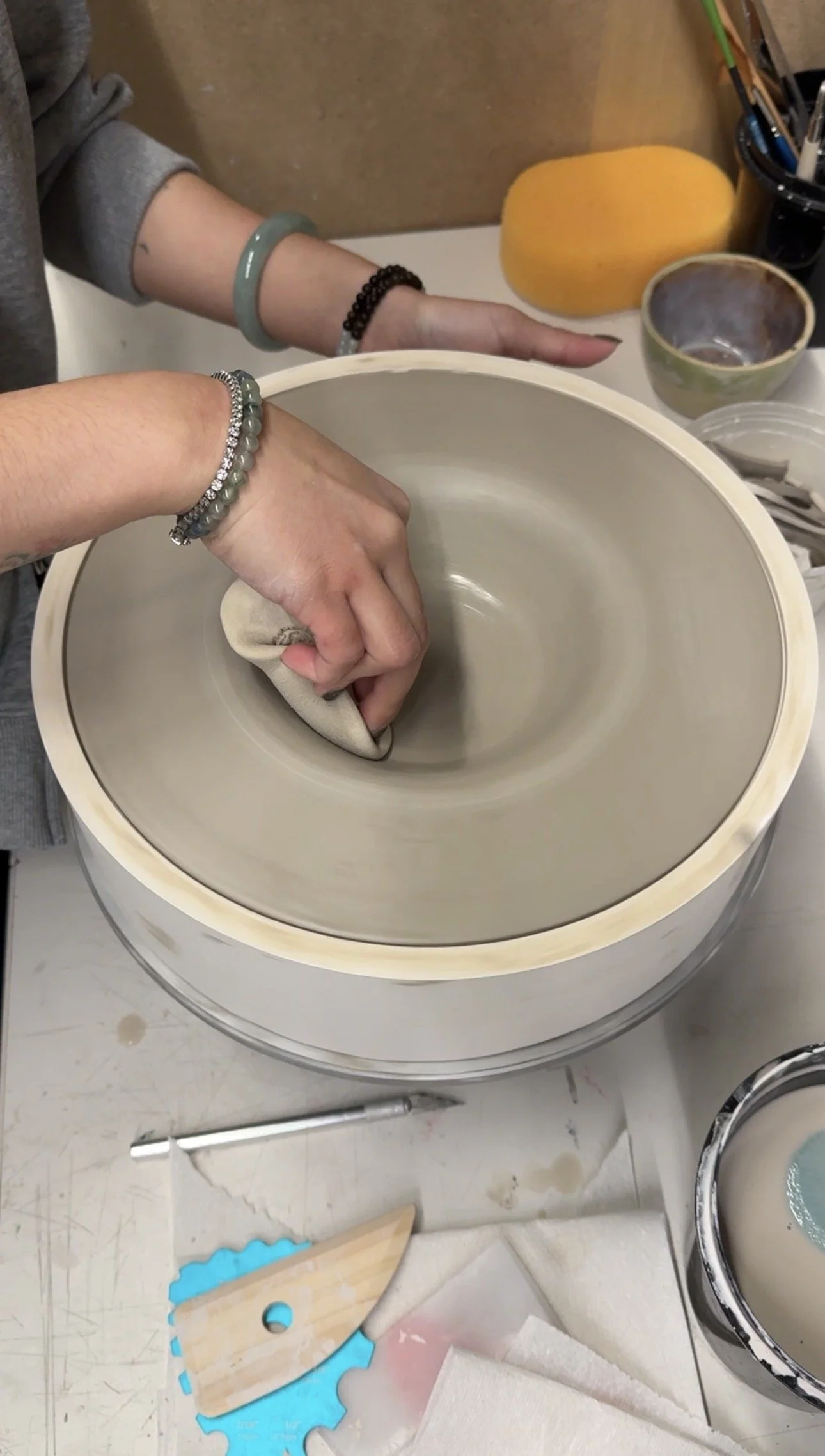
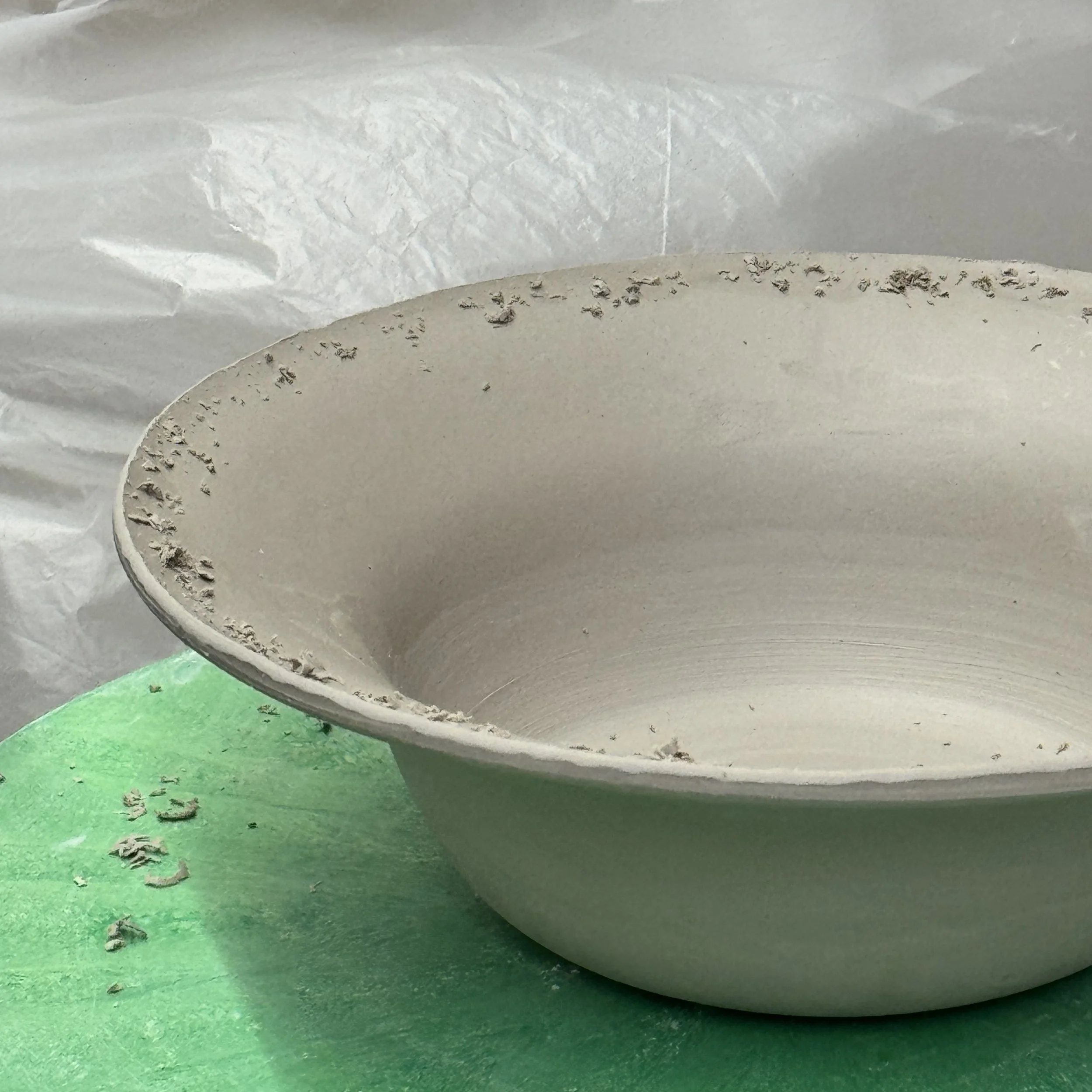
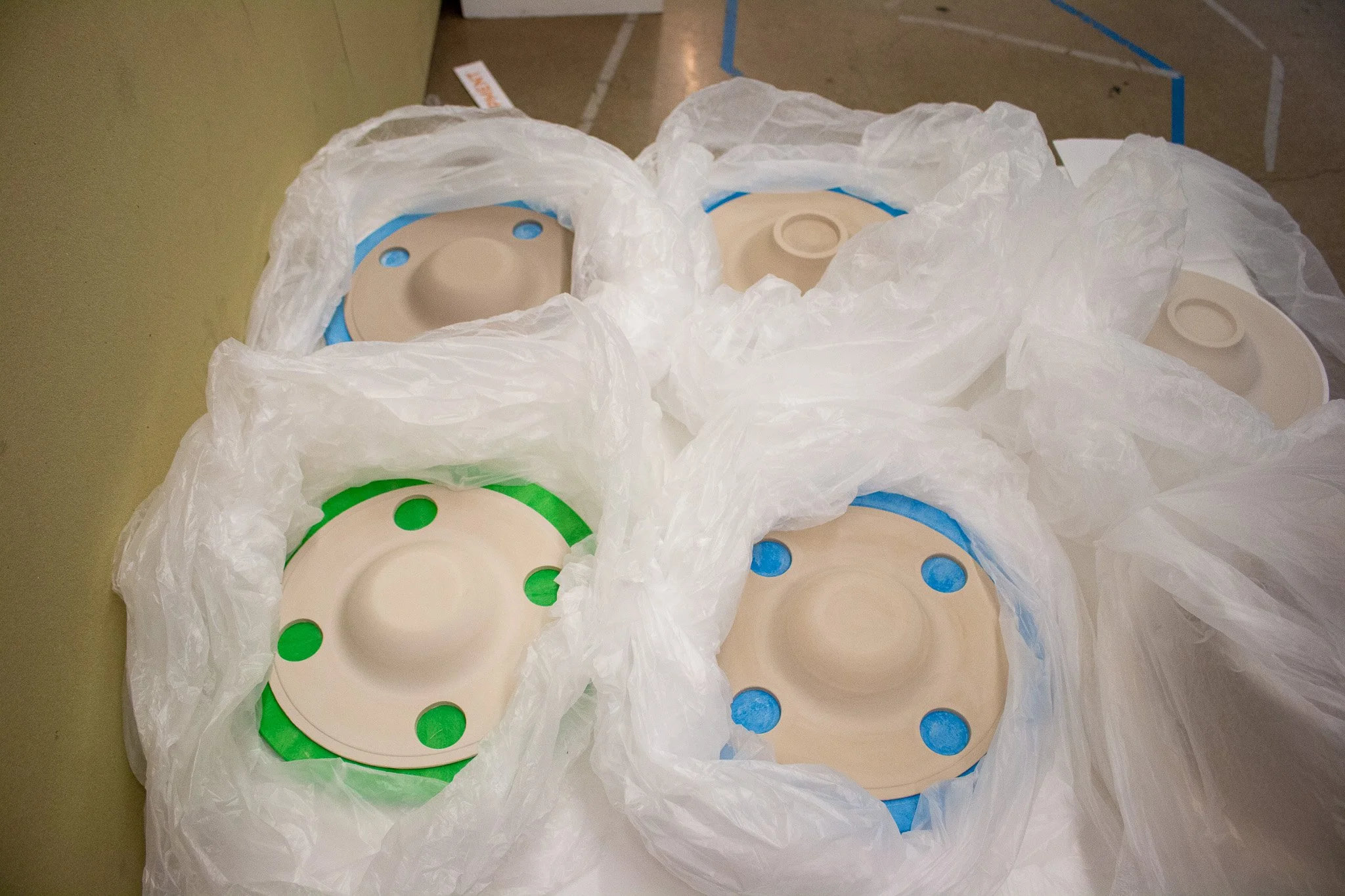
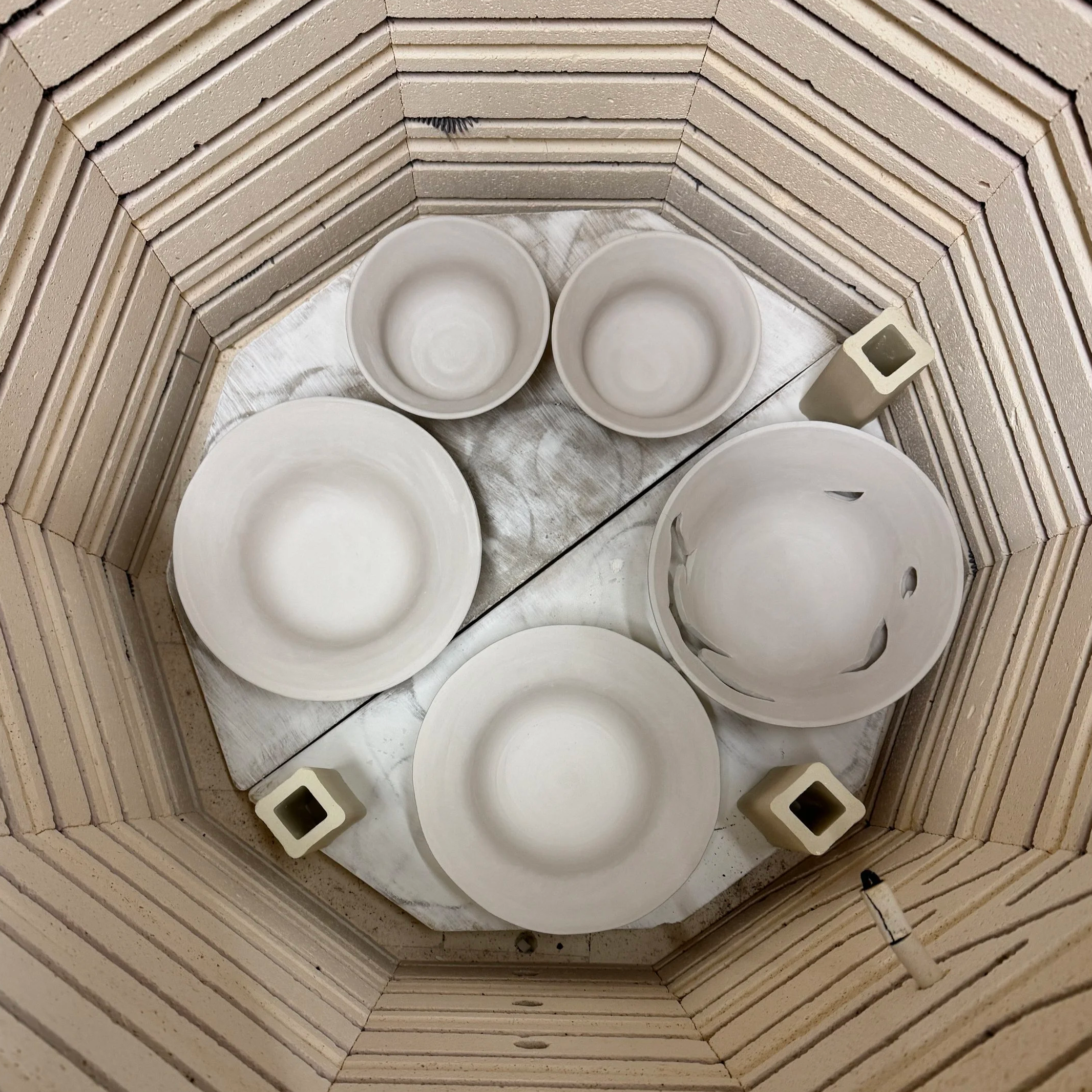
Bringing TRÂN into physical form required an iterative process of mold-making, slip casting, refining wall thickness and cutout details, bisque firing, glazing, and final firing. Each stage informed the next, requiring adjustments to proportions, surface details, and production methods.